Chopping Block: April 14th 2025
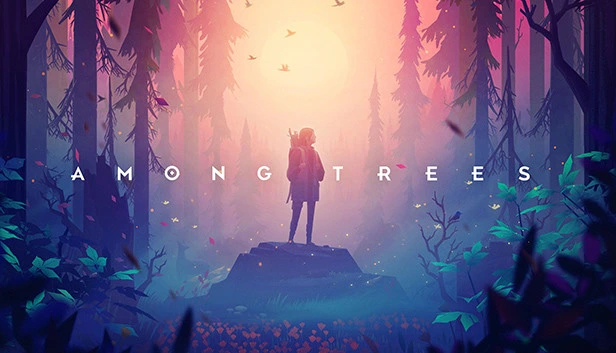

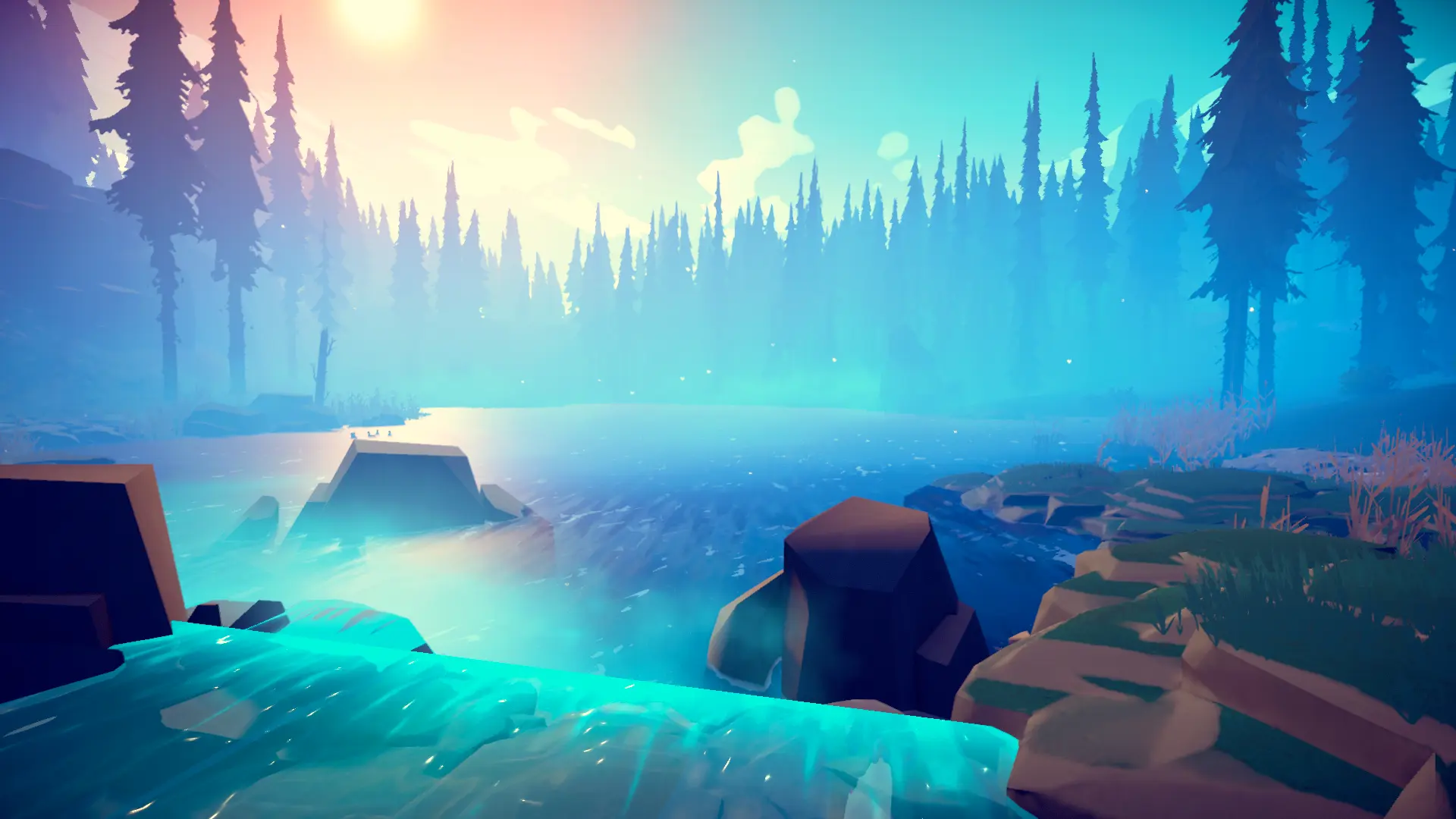
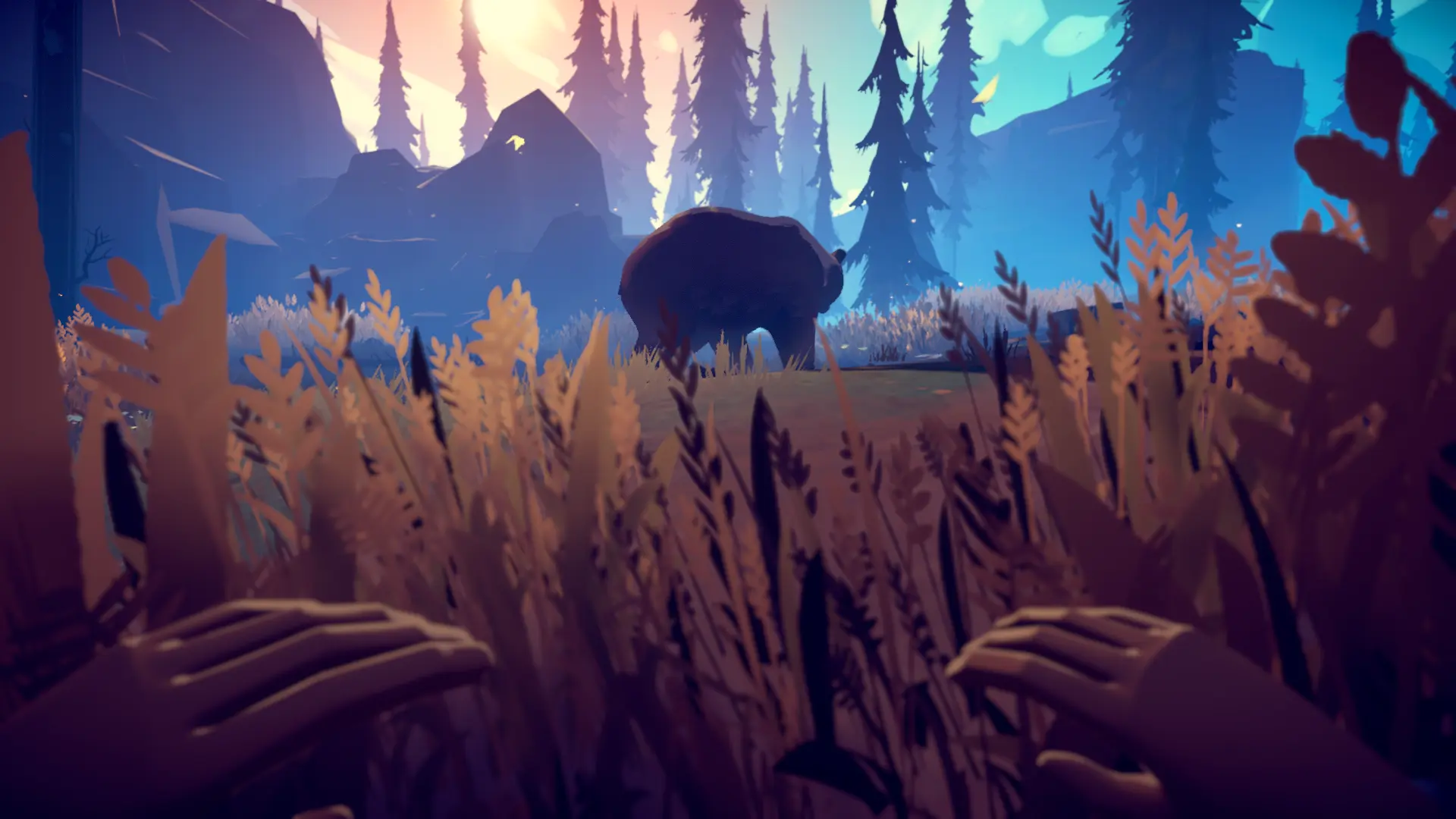
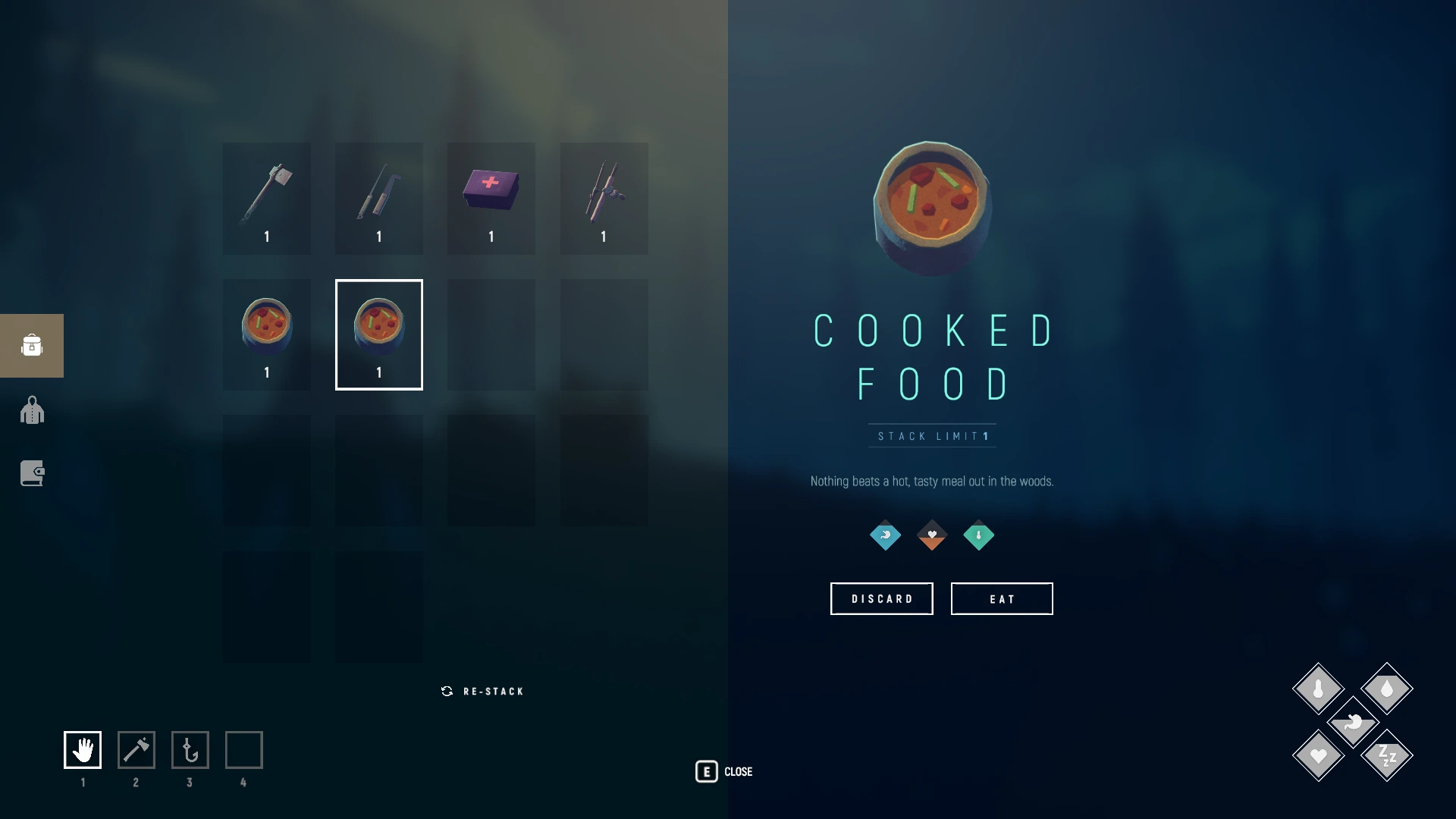
Among Trees is a cozy sandbox game with that timeless cell shaded aesthetic. The protagonist is unplugging from life and living in the woods; log cabin, fishing, gardening, the works. The map is fairly expansive and there are various staples of 1st person crafting/survival games; player pet (fox), farming, building, exploration, resource gathering, etc. All with virtually none of the stakes given the games Zen approach to gameplay. The game’s most notable challenge is a roaming bear that isn’t difficult to avoid. Sure the player needs to manage the ever ubiquitous hunger, thirst, and health meters but the barrier to entry is relatively low compared to more hardcore examples like: Green Hell, The Long Dark, or even Subnautica
On paper the game has many attractive qualities, in practice many of the mechanics fail to coalesce into a pleasant experience. The game world is large and picturesque but functionally desolate. Essential materials are spread so far apart basic resource gathering turns the game into a glorified walking simulator. Crafting and farming are poorly balanced; convenient gear is expensive to craft and nearly half of the materials in game are difficult to source. Seeds for farming seemed to be overly scarce. The fishing mechanics was infuriating; maybe more than any fishing system I’ve ever subjected myself to. The Zen vibe the games seemed to be reaching for didn’t materialize; even the game’s ending undercuts this.
The game; despite being very stable and bug-free, feels incomplete with core features culled to make the game “Complete enough” to be release.
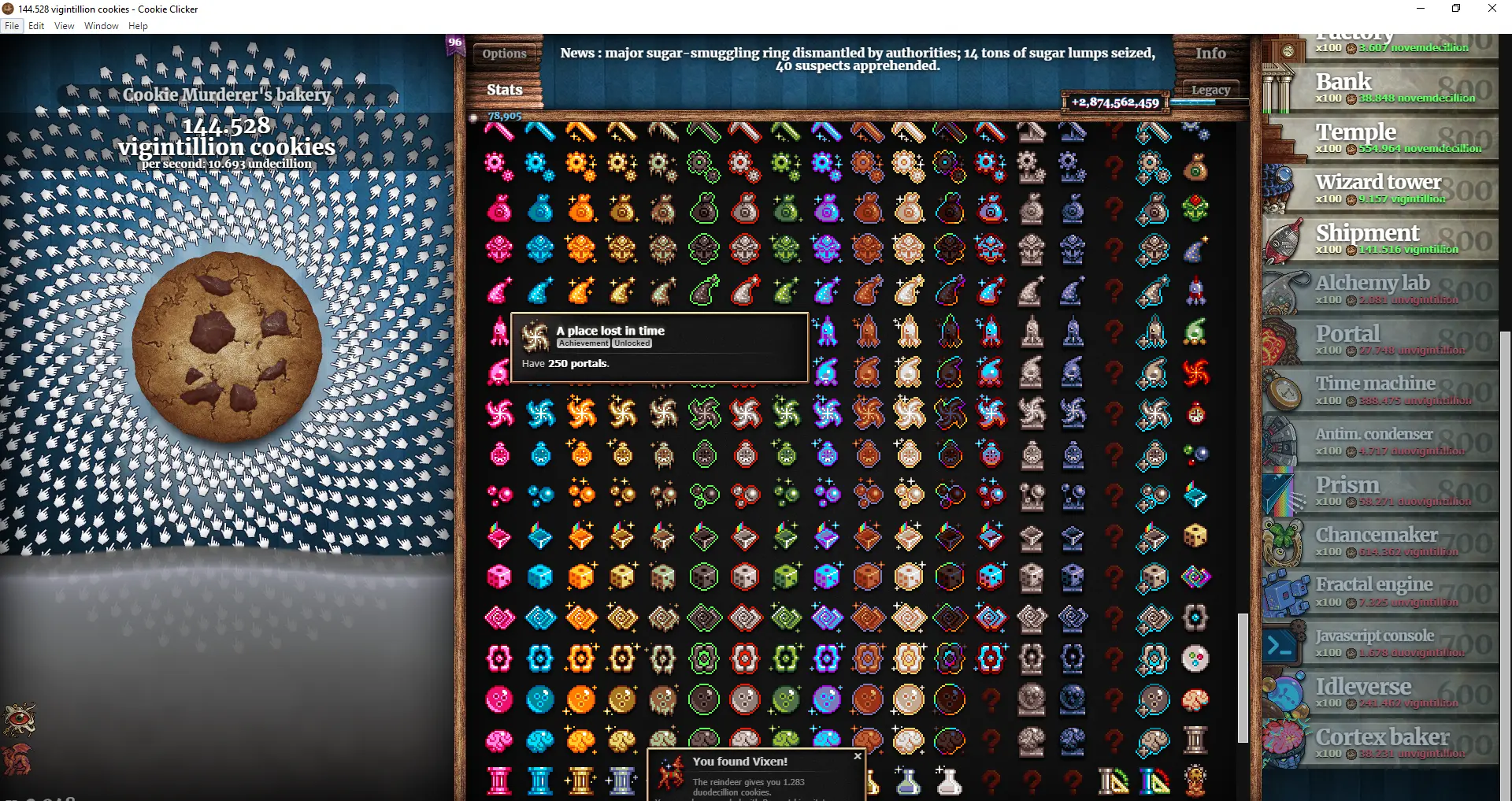
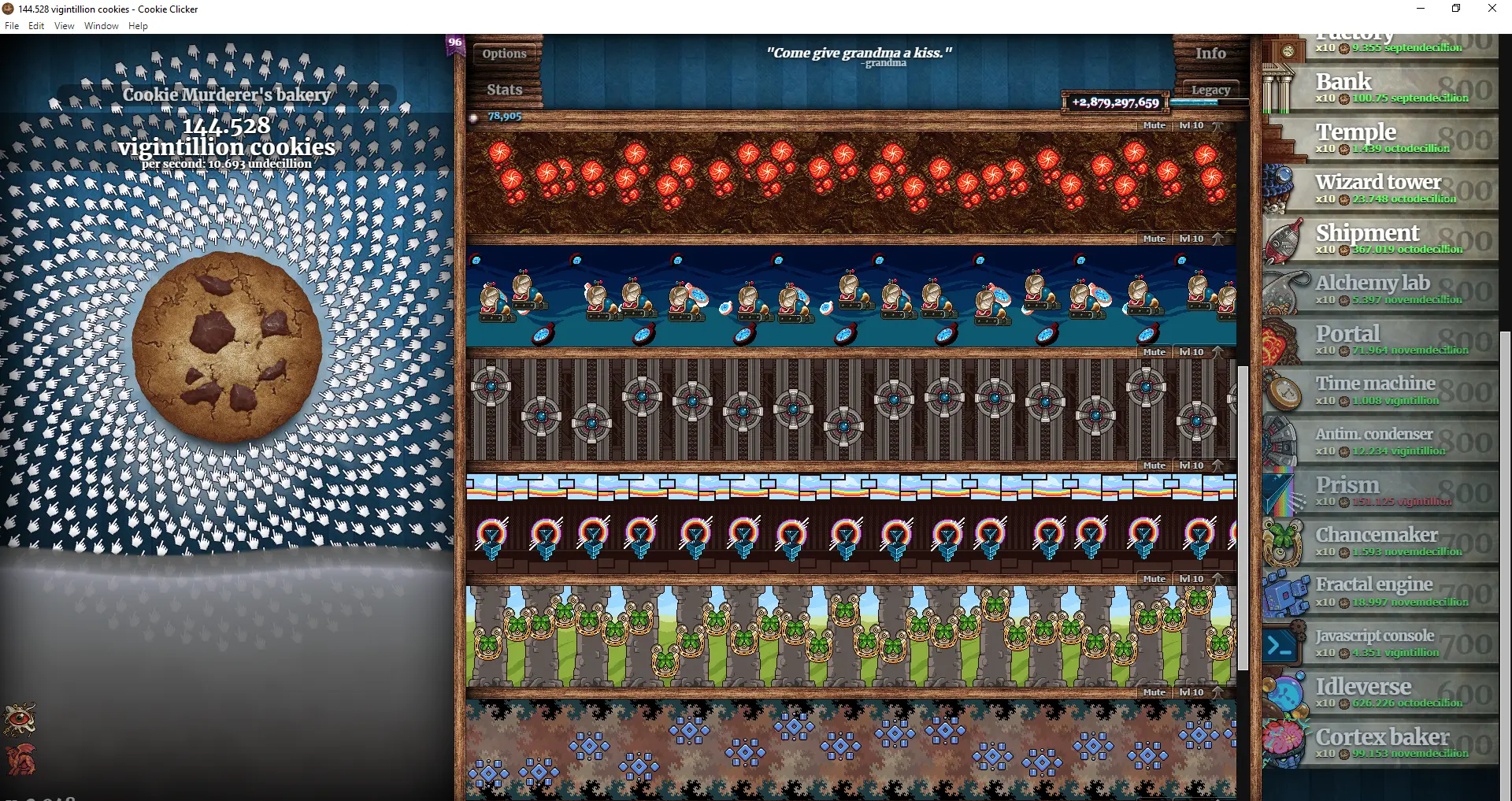
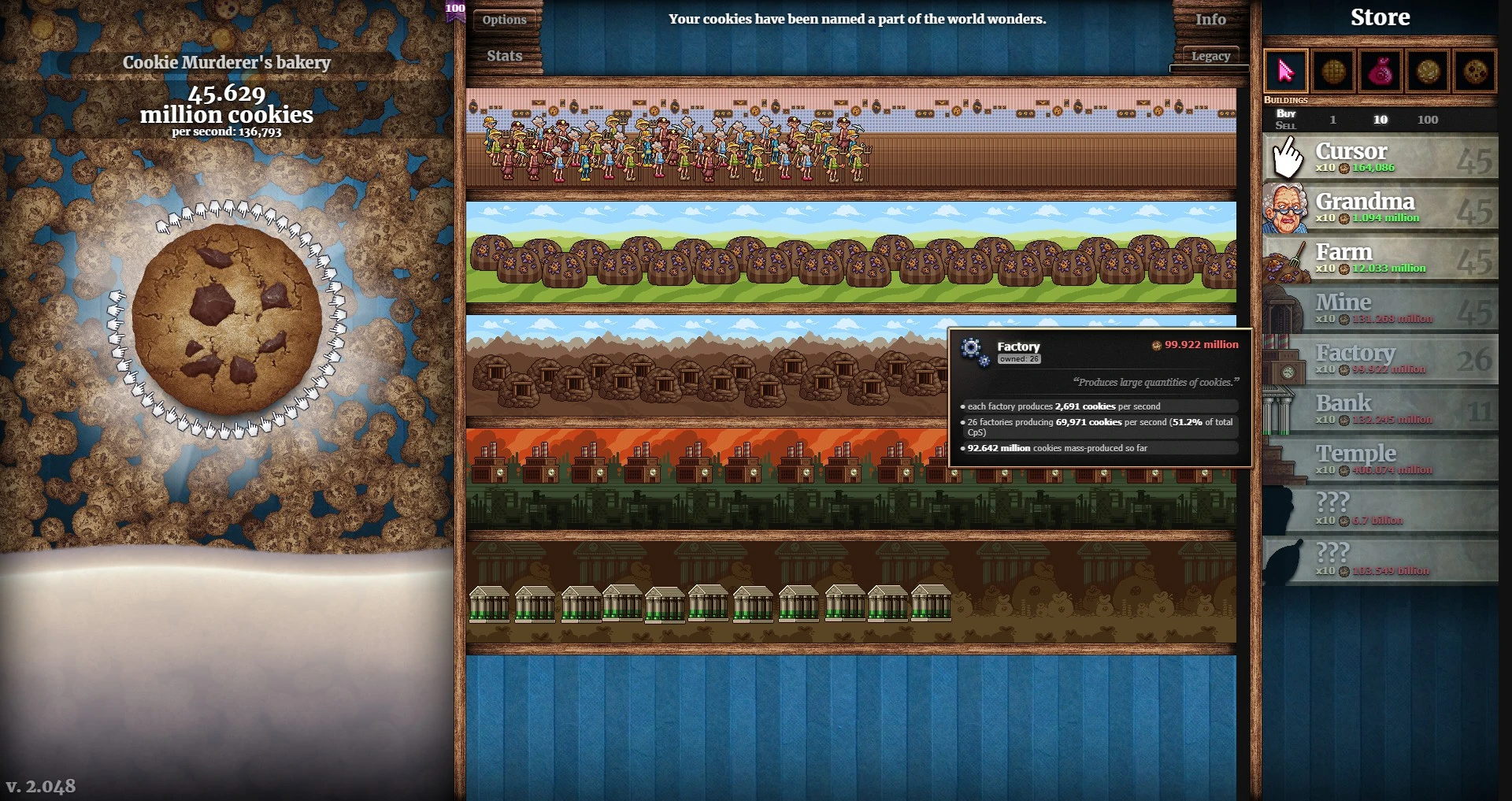
Cookie Clicker perhaps the gold standard for all clicker style games it is a conduit to the lizard part of the brain that hooks you into that constant gratification cycle. The premise is deceptively simple; clicky-clicky equals cookie-cookie. The player generates cookies as currency and players spend them endlessly on upgrades that exponentially increase and automate cookie production. The whole cycle reaches comical scale with cookie production taking over space, time, reality, and breaking the fourth wall.
The games graphics are simple but solid. The user interface makes good use of screen real-estate with visuals for every upgrade, extra U.I’s for special features of which there are a few. The game has extras like a stock market…for cookies, you can raise a cookie generating dragon, “Ascension” upgrading, etc. The game has hundreds of achievements; I don’t think I’ve played a game with so many achievements. The achievements are pretty repetitive; there are 20+ achievements per building type alone.
I even love the idea of a game that handles such large numbers that normal variables can’t even hold that much information. I had originally intended to make Cookie Clicker the focus of an article exploring that very mechanics or as a fallback the news ticker. I just wasn’t really confident that I should write about a game that I hadn’t fully complete. The length of Cookie Clicker is exclusively why its on this list and not getting its own article. I have nothing bad to say about Cookie Clicker and even negative reviews on Steam are by people who sunk a 100+ hours into the game.
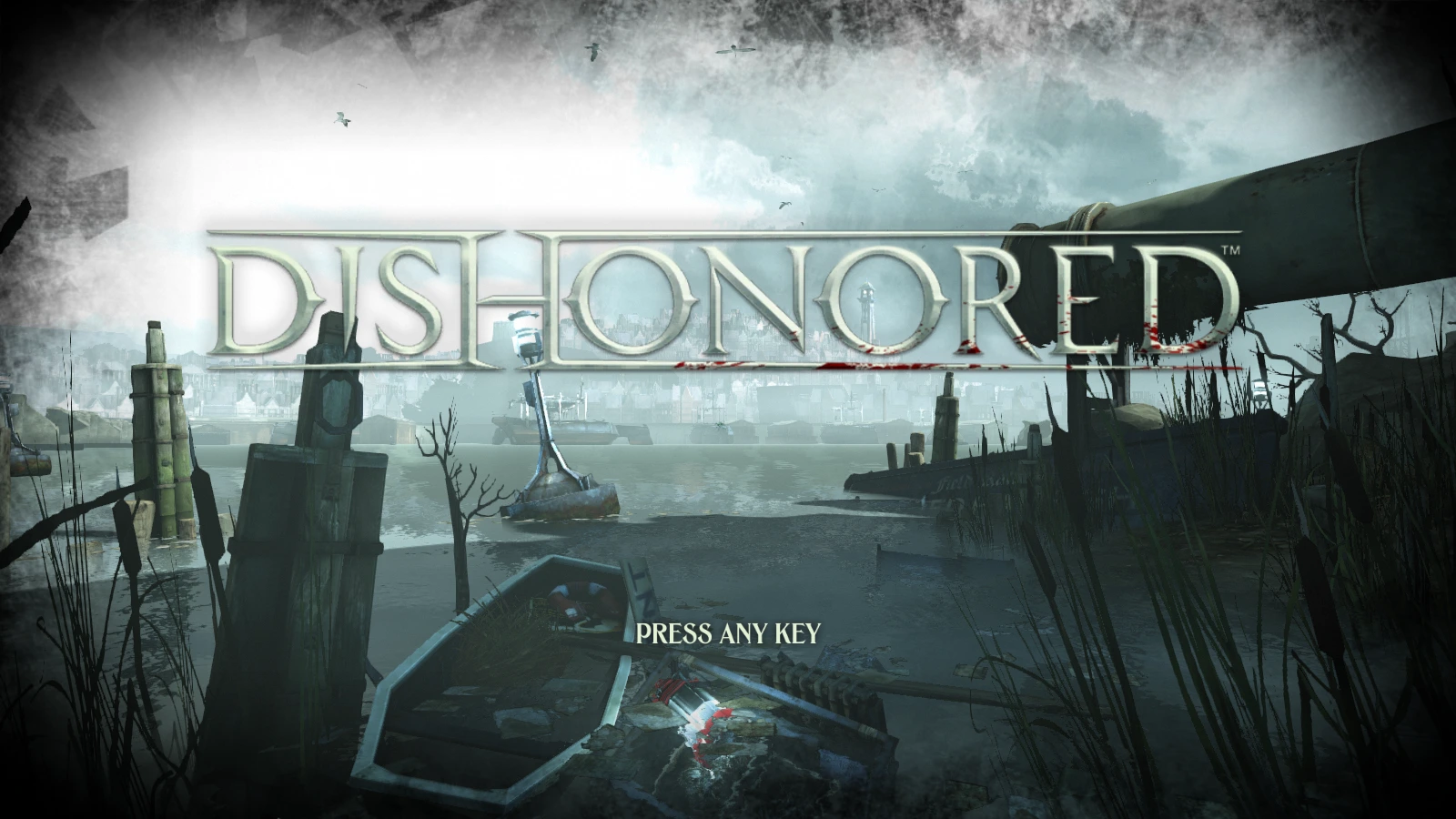
Dishonored is an immersive stealth combat game, emphasis on immersive. One of the early games of the new wave of Immersive Sims, Dishonored has so much going for it. The only reason Dishonored made its way onto this list is just a technicality. The story is amazing especially for a brand new I.P. Characters, setting, world building all phenomenal, to be expected from an immersive sim. The steampunk aesthetic and the dark fantasy magic system gelled really well and the developers managed to breathe life into every aspect of the games. Gameplay is much the same with its combat and traversal mechanics being a cut above. I’ll get into the mechanics in detail when I write about Dishonored 2.
Replayability is probably the biggest selling point of the game. Every mission is scored with special scores for succeeding with zero casualties or never being detected. Players can also elect to play the game without access to the games magic system. This is important since every mission needed be built in such a way that the player can complete them
- Undetected
- Without killing
- Without using magic
- ...As an insane berserker wizard
- etc
An impressive feat of level design on the developers’ part.
There are several DLC that are impressive in their own right. There are extra items and lore packs, a series of challenge missions, and two story missions that abridge Dishonored to its sequel. I can’t say enough good things about this game but anything I’d want to talk about in Dishonored is present in Dishonored 2 except with even more refinements.